

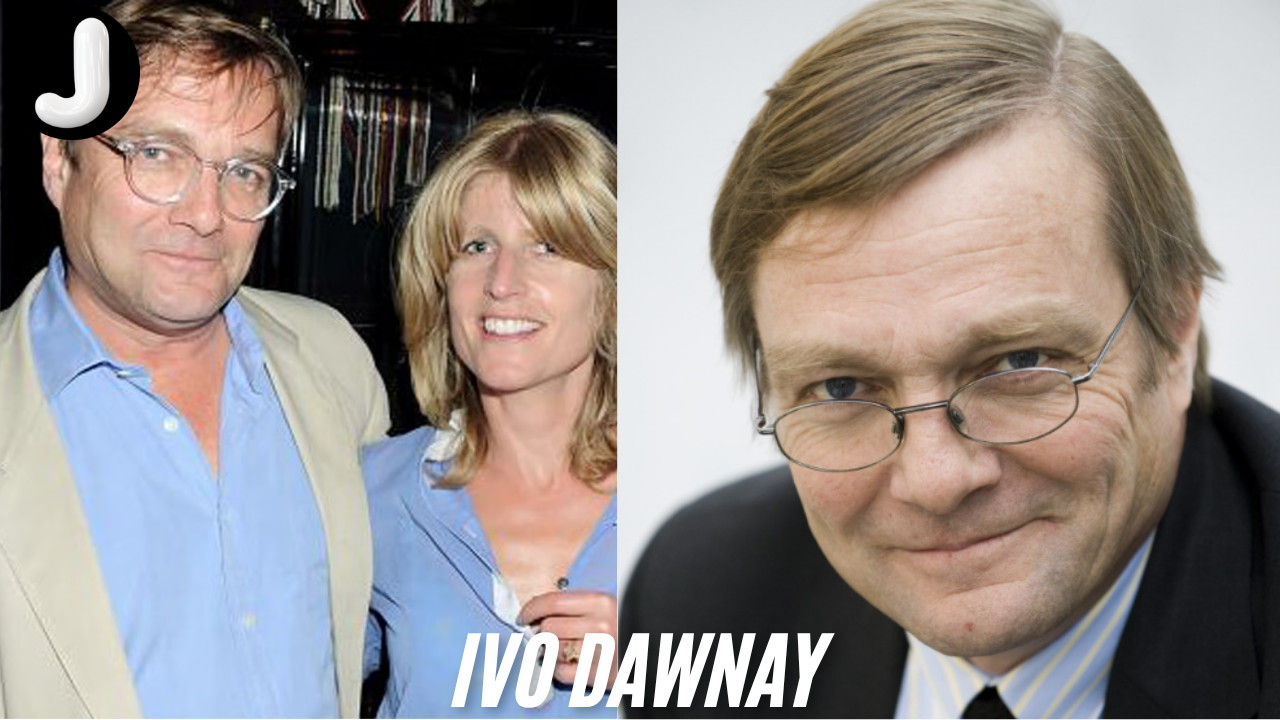
Many people encounter the name Ivo Dawnay because of his connection to British journalist and author Rachel Johnson. Yet reducing him to that relationship overlooks a long and accomplished career that spans journalism, political communications, public affairs, and heritage leadership. Over several decades, Dawnay has worked in influential positions behind the scenes, helping shape how organizations communicate with the public while building a professional reputation distinct from the famous family he later married into.
Unlike many figures connected to high-profile political and media circles, Dawnay has generally maintained a low public profile. His career has been defined less by personal publicity and more by the institutions he has served. From newspaper reporting to leadership roles within the National Trust, his work reflects a commitment to public communication, cultural engagement, and thoughtful leadership.
Early Life and Family Background
Ivo Nicholas Payan Dawnay was born into a well-established British family with deep historical roots. The Dawnay family has connections to the British aristocracy, and its history stretches back through generations of military service, public life, and landownership. Although such family ties naturally attract interest, they have never been the defining feature of Dawnay’s professional identity.
Growing up within a family conscious of history and public responsibility likely contributed to his later interest in culture, heritage, and national institutions. While many individuals from prominent backgrounds pursue public recognition, Dawnay chose a path centered on communication, journalism, and organizational leadership.
His early years provided exposure to British traditions and institutions that would later influence both his journalism and his work in heritage preservation. Those experiences helped shape a worldview that balanced respect for history with an understanding of contemporary society.
Education and Formative Years
Dawnay received his education at Eton College, one of Britain’s most respected independent schools. Eton has educated generations of political leaders, writers, journalists, and public servants, creating an environment that encourages intellectual curiosity and debate.
Following his school years, he attended Trinity Hall, Cambridge. Cambridge University has long been recognized as one of the world’s leading academic institutions, producing graduates who go on to influential careers across many professions. For Dawnay, the university years provided opportunities to develop analytical skills, strengthen his writing abilities, and engage with ideas that would later shape his professional career.
Education alone does not determine a person’s future success, but it can provide valuable foundations. In Dawnay’s case, his academic experiences helped prepare him for a profession that would demand critical thinking, communication skills, and a deep understanding of politics and society.
Beginnings in Journalism
Journalism became the first major chapter of Dawnay’s professional life. Entering the media industry allowed him to combine intellectual curiosity with practical reporting. Like many successful journalists, he learned how to investigate stories, interview sources, analyze events, and explain complex developments to readers.
The profession also offered access to decision-makers, institutions, and political debates that shaped public life. Reporting requires more than gathering facts. Journalists must understand context, recognize significance, and communicate clearly under tight deadlines. These skills became central to Dawnay’s career and remained valuable long after he left the newsroom.
His work established him as a capable reporter with an interest in politics, public affairs, and international developments. Those areas would remain recurring themes throughout his professional journey.
Work at the Financial Times and Sunday Telegraph
Among the most significant stages of his journalism career were positions with the Financial Times and The Sunday Telegraph. Both publications occupy important places within British media and are known for their coverage of politics, economics, international affairs, and public policy.
Working within these organizations exposed Dawnay to major political events and policy discussions. The experience demanded accuracy, independence, and a willingness to tackle complicated subjects. Reporting for respected national newspapers also provided opportunities to build professional networks and develop a deeper understanding of government, business, and public institutions.
These years helped establish the communication skills that later became central to his work outside journalism. They also reinforced the importance of credibility and public trust, principles that would continue to guide his professional approach.
Reporting From Washington and International Experience
A notable part of Dawnay’s journalistic career involved reporting from Washington, D.C. Covering politics in the United States offered exposure to one of the world’s most influential political systems and provided valuable international experience.
Living and working abroad often broadens a journalist’s perspective. It requires understanding different political cultures, interpreting foreign policy developments, and explaining international events to domestic audiences. These responsibilities helped Dawnay develop a broader view of global affairs and public communication.
International reporting also strengthened his ability to analyze political systems and public institutions. Those insights later proved useful as he moved into communications, consulting, and leadership roles.
Transition to Political Strategy and Communications
After years in journalism, Dawnay expanded his professional focus into strategic communications and public affairs. This transition is common among experienced journalists because the skills developed in reporting often translate effectively into advisory and communications roles.
Organizations increasingly seek individuals who understand how media operates, how public narratives develop, and how complex issues can be communicated clearly. Dawnay’s newsroom experience made him well suited for such responsibilities.
His work in communications involved advising organizations, managing public engagement strategies, and helping institutions navigate complex public discussions. Rather than simply reacting to events, he became involved in shaping how organizations presented themselves and interacted with stakeholders.
Leadership at the National Trust
One of the most important periods of Dawnay’s career came through his work with the National Trust. As one of Britain’s largest conservation and heritage organizations, the National Trust plays a vital role in preserving historic properties, landscapes, and cultural landmarks.
Serving in senior leadership positions required balancing heritage preservation with public engagement. The challenge facing cultural organizations is often finding ways to remain relevant to changing audiences while protecting historical assets. Dawnay became part of the effort to address that challenge.
His responsibilities included communications strategy, public outreach, and helping the organization connect with wider audiences. These roles placed him at the intersection of heritage, culture, and public policy.
Bringing Heritage to New Audiences
Heritage organizations cannot rely solely on tradition. They must continually find ways to attract visitors, members, and supporters from different generations and backgrounds. During his time with the National Trust, Dawnay supported efforts to make heritage sites more accessible and engaging.
This approach reflected changing expectations among the public. Visitors increasingly wanted interactive experiences, digital engagement, and cultural programming that connected historical places with contemporary interests. The goal was not to change history but to make it meaningful for modern audiences.
By encouraging broader participation, the National Trust sought to strengthen public support for conservation efforts. Dawnay’s communications expertise contributed to these initiatives and helped the organization adapt to evolving public expectations.
Personal Life and Marriage to Rachel Johnson
Public interest in Ivo Dawnay often stems from his marriage to Rachel Johnson, one of Britain’s best-known journalists and authors. The couple married in 1992 and have built a family life that has lasted for decades despite the intense public attention surrounding the Johnson family.
Rachel Johnson’s career has included newspaper journalism, magazine editing, broadcasting, and book writing. Her public profile inevitably brought attention to her husband, although Dawnay has generally remained less visible than many members of the extended family.
Their marriage offers an example of two individuals pursuing different professional paths while sharing a commitment to journalism, communication, and public life. Although their careers have taken different directions, both have spent much of their professional lives engaging with public debate and national issues.
Life Within the Johnson Family
Through his marriage, Dawnay became connected to one of Britain’s most recognizable political families. Rachel Johnson is the sister of former Prime Minister Boris Johnson and former government minister Jo Johnson. As a result, family gatherings and public attention often attract media interest.
Despite these connections, Dawnay has rarely sought political prominence. Instead, he has maintained a career centered on communications, heritage, and institutional leadership. This distinction is important because it highlights how his professional achievements stand independently of family associations.
Being connected to a prominent family can create opportunities, but it can also create assumptions. Dawnay’s career demonstrates a consistent focus on professional expertise rather than political celebrity.
Professional Reputation and Influence
Across journalism, communications, and heritage leadership, Dawnay developed a reputation as a thoughtful communicator. His ability to move successfully between sectors reflects the versatility of strong communication skills and a deep understanding of public institutions.
Colleagues have often viewed him as someone capable of bridging different worlds. He understands how journalists think, how organizations operate, and how public audiences respond to information. These abilities are particularly valuable in periods of social and technological change.
While many public figures gain attention through visibility, Dawnay’s influence has often been exercised through leadership, strategy, and institutional development. That quieter form of influence can be difficult to measure, but it remains important.
Legacy and Continuing Interest
Interest in Ivo Dawnay continues because his story intersects with several areas of public curiosity. Readers may arrive through Rachel Johnson, British political families, journalism history, or the National Trust. Once they begin exploring his biography, they often discover a career that extends far beyond family connections.
His professional journey reflects broader changes in British media, communications, and cultural institutions. The movement from journalism into strategic communications mirrors a path followed by many experienced media professionals. At the same time, his work in heritage demonstrates how communication plays a central role in preserving cultural history.
Although he is not a celebrity in the conventional sense, Dawnay represents a type of public figure whose influence comes from expertise, leadership, and service rather than constant visibility.
Frequently Asked Questions
Who is Ivo Dawnay?
Ivo Dawnay is a British journalist, communications professional, and former National Trust executive. He is also known as the husband of journalist and author Rachel Johnson.
What is Ivo Dawnay known for?
He is known for his career in journalism, public affairs, strategic communications, and heritage leadership. His work with the National Trust is among the most prominent parts of his professional career.
Is Ivo Dawnay married to Rachel Johnson?
Yes. Ivo Dawnay and Rachel Johnson married in 1992 and have three children together.
Did Ivo Dawnay work as a journalist?
Yes. Before moving into communications and public affairs, he worked as a journalist for respected British newspapers, including the Financial Times and The Sunday Telegraph.
What role did Ivo Dawnay have at the National Trust?
He held senior leadership positions focused on communications, public engagement, and organizational strategy, helping the National Trust reach wider audiences.
Where was Ivo Dawnay educated?
He was educated at Eton College and later studied at Trinity Hall, Cambridge.
Why is there public interest in Ivo Dawnay?
Interest comes from his journalism career, his leadership roles in heritage organizations, and his connection to the Johnson family through his marriage to Rachel Johnson.
Conclusion
Ivo Dawnay’s career demonstrates that influence does not always come from occupying the most visible position. Throughout his professional life, he has worked behind the scenes helping organizations communicate effectively, engage the public, and navigate changing cultural expectations.
His journey from journalism to strategic communications and heritage leadership reflects a combination of intellectual curiosity, professional adaptability, and commitment to public engagement. Each stage of his career built upon skills developed in the previous one.
For readers who first encounter his name through Rachel Johnson, there is a much broader story to discover. Dawnay’s achievements stand on their own and offer insight into the important role communication plays in journalism, public life, and cultural preservation.
As public institutions continue adapting to changing audiences and technologies, the kind of experience Dawnay has accumulated remains highly relevant. His career serves as a reminder that some of the most important contributions to public life come from those working beyond the spotlight.