









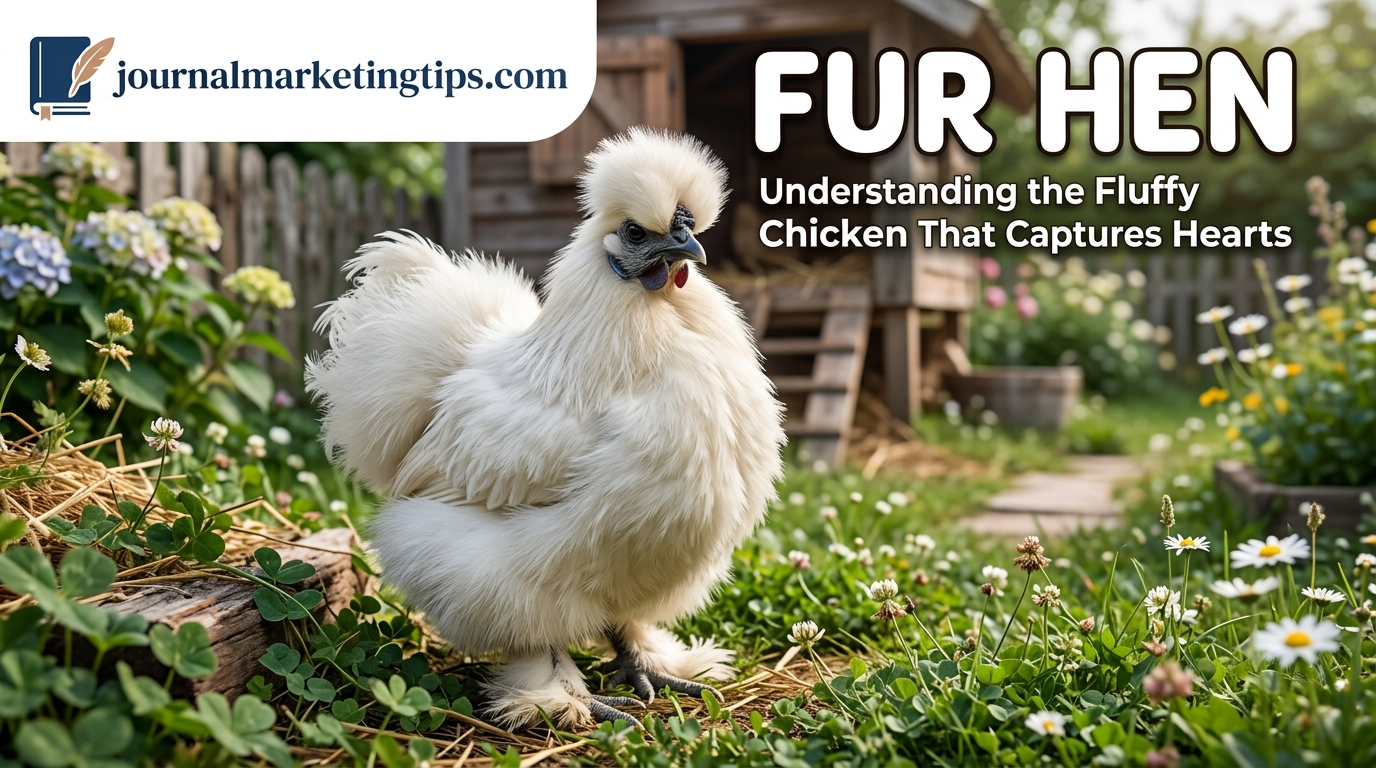
The term fur hen immediately sparks curiosity. It evokes an image of a chicken covered in soft, fur-like feathers rather than ordinary plumage. In truth, the phrase is a colloquial term, used by poultry enthusiasts to describe chickens whose feathers feel exceptionally soft, almost like fur. While not an official breed classification, the concept of the fur hen has grown popular among backyard keepers, hobbyists, and families seeking a unique, approachable bird.
These birds are celebrated for their gentle temperament, unique appearance, and ornamental charm. Unlike standard farm chickens, fur hens offer an aesthetic appeal and tactile experience that makes them memorable. People are often drawn to them for their soft feathers, calm personality, and the distinct charm that separates them from conventional poultry.
Understanding what a fur hen is, what makes it special, and how to care for one requires looking beyond casual descriptions. These birds are not only visually distinctive but also require specific care considerations, making them both a joy and a responsibility for any keeper.
What Is a Fur Hen?
A fur hen is not a scientifically recognized breed. Instead, it is a term used informally to describe chickens with unusually soft and fluffy feathers. Their plumage gives the impression of being fur-like, which is rare in standard chickens. This appearance arises from a unique feather structure. Normal feathers interlock through microscopic hooks, keeping them smooth and sleek. In fur hens, these hooks are absent or reduced, leaving feathers soft, downy, and flowing.
This soft feathering is what defines the fur hen and distinguishes it from other birds. It also explains why these chickens have captured attention online and in backyard flocks alike. Their feathers not only feel unusual but also give them an almost whimsical appearance, setting them apart from conventional farm breeds.
The Most Common Fur Hen: Silkie Chickens
Among all birds associated with the fur hen concept, Silkie chickens are the most recognized. Silkies are small, ornamental birds known for their soft, fluffy feathers, which often appear almost like a plush toy. Their gentle, calm disposition adds to their appeal, making them favorites for families and novice poultry keepers alike.
Silkies have several distinct characteristics that make them easily identifiable:
- Soft, silky feathers: The absence of interlocking hooks gives their plumage a fur-like texture.
- Dark skin and bones: Many Silkies have black or bluish skin, a trait unique among chickens.
- Five toes per foot: Most chickens have four toes, but Silkies often sport an extra digit.
- Docile temperament: They are calm and friendly, ideal for handling and interacting with humans.
Beyond aesthetics, Silkies provide modest egg production, typically laying around 100–120 small eggs per year. While not suitable for commercial egg farming, their value lies in personality and ornamental traits rather than productivity.
Other Fluffy Chicken Varieties
Although Silkies dominate the fur hen category, other breeds may also exhibit fluffy or soft feather traits:
- Frizzles: These birds have curled feathers that create a tousled, fluffy appearance. Their look is striking but less consistent than Silkies.
- Polish chickens: Known for their large crests, Polish birds have a puffed appearance reminiscent of fur.
- Cochins: Heavily feathered ornamental breeds, Cochins often have dense plumage that adds to a soft visual effect.
While these breeds are not technically called fur hens, their unique feathering can evoke similar admiration. The term “fur hen” remains informal, applied to any chicken that looks exceptionally soft or plush.
Why Fur Hens Are Popular
Fur hens are not just visually intriguing—they offer several appealing qualities that make them favorites among chicken keepers:
- Visual charm: Their soft, fluffy feathers make them stand out in any flock.
- Friendly disposition: Gentle and calm, these birds are ideal for children and beginners.
- Novelty factor: Their unusual appearance draws interest from hobbyists and social media audiences.
- Ornamental value: Fur hens are often kept for decorative purposes in backyard gardens or small-scale farms.
Their combination of beauty, personality, and tactile appeal explains why they are so widely loved. A fur hen’s presence in a backyard flock can be as much about enjoyment and companionship as about poultry keeping itself.
Caring for a Fur Hen
Owning a fur hen comes with specific responsibilities. Their soft, delicate feathers require attention to ensure health and well-being.
Housing and Shelter
Fur hens, particularly Silkies, need dry and clean housing. Unlike regular chickens, their feathers do not repel water well. Wet conditions can easily chill them, leading to illness. Secure coops, clean bedding, and proper ventilation are essential to keep them healthy.
Weather Protection
Their feather structure does not provide the same protection against rain, wind, or extreme temperatures as conventional breeds. During inclement weather, they need sheltered spaces or indoor protection to prevent exposure-related health problems.
Health and Hygiene
Dense, fluffy feathers make it harder to spot mites, lice, and other parasites. Routine checks are necessary to ensure these pests do not take hold. Foot problems, often hidden under thick plumage, also require attention. Proper grooming and care are critical for fur hens to thrive.
Nutrition and Social Needs
Fur hens benefit from a balanced diet that includes grains, proteins, and greens. As social animals, they should be kept in groups to maintain natural behaviors and mental stimulation. Free-range time, safe enclosures, and enrichment activities contribute to their well-being and happiness.
Common Misconceptions
The term “fur hen” can lead to confusion among poultry keepers:
- Breed vs. appearance: Not every fluffy chicken is a Silkie. Feather type alone does not define the breed.
- Egg production: Fur hens are often ornamental rather than highly productive layers. Expect moderate egg output rather than commercial-scale quantities.
- Handling: Their softness does not imply fragility. While gentle, proper handling and protection from predators are still necessary.
Understanding these distinctions ensures realistic expectations and proper care. It also helps prevent mix-ups between different ornamental or fluffy breeds.
Practical Tips for Keeping Fur Hens
If you plan to add a fur hen to your flock, consider these practical suggestions:
- Select a reputable breeder to ensure healthy, well-bred birds.
- Provide dry, secure housing with ample ventilation.
- Monitor health regularly, checking under feathers for parasites and foot issues.
- Offer social interaction and enrichment to prevent boredom.
- Introduce them gradually to other flock members to avoid stress or bullying.
These steps help maintain both the aesthetic appeal and the health of your fluffy chickens.
Frequently Asked Questions
What is a fur hen?
A fur hen is an informal term for a chicken with soft, fluffy feathers that resemble fur, most commonly applied to Silkie chickens.
Are fur hens good for families?
Yes, they are known for their calm, gentle nature, making them suitable for households with children or novice poultry keepers.
Do fur hens lay a lot of eggs?
Fur hens generally lay fewer eggs than commercial breeds, often around 100–120 small eggs per year. Their primary appeal is ornamental and social rather than production.
Can fur hens survive outside in cold or wet weather?
Their feather structure is less protective, so they require dry, sheltered housing to stay healthy in inclement weather.
Are all fluffy chickens Silkies?
No. Other breeds like frizzles, Cochins, and Polish chickens can also appear fluffy. However, Silkies are the most recognized and consistently soft-feathered birds associated with the term fur hen.
Conclusion
Fur hens capture the imagination of poultry enthusiasts because they combine visual appeal, unique texture, and gentle temperament. Though not a formal breed, the term highlights chickens with exceptionally soft feathers, with Silkies being the most iconic example.
Owning a fur hen is a rewarding experience for hobbyists, families, and ornamental bird keepers. They offer companionship, charm, and a sense of delight that goes beyond egg production or utility. With proper care, attention to health, and an understanding of their needs, fur hens thrive as distinctive members of backyard flocks, bringing both beauty and enjoyment to anyone who appreciates their unique characteristics.
For anyone intrigued by the idea of a fur hen, understanding the birds’ traits, care requirements, and temperament is the first step toward a fulfilling poultry-keeping experience. These fluffy, soft-feathered chickens may not be conventional, but they are undeniably captivating.