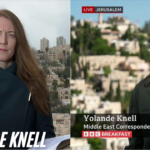


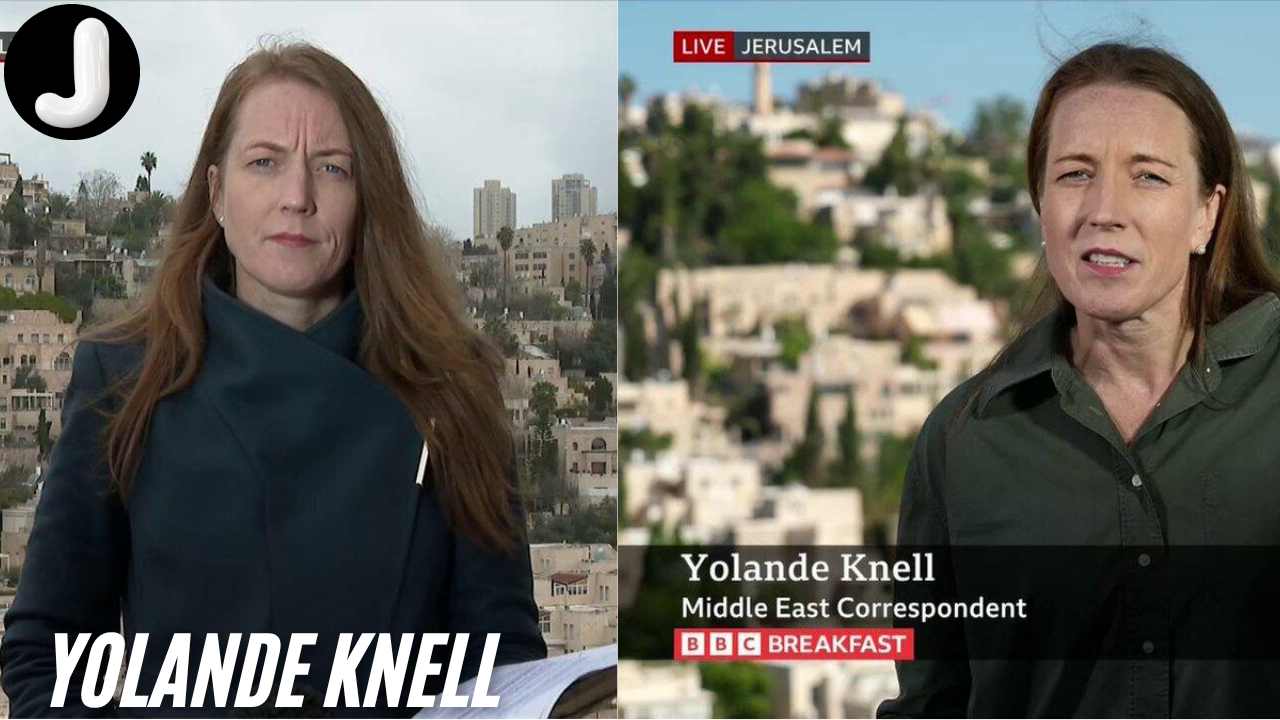
Few regions receive as much international attention as the Middle East, and few journalists have spent as much time explaining its complexities to global audiences as Yolande Knell. As a BBC Middle East Correspondent based in Jerusalem, Knell has become a familiar voice for viewers, listeners, and readers seeking reliable information about one of the world’s most challenging and closely watched regions.
Her reporting spans conflict, diplomacy, politics, humanitarian issues, and everyday life. Whether covering tensions in Jerusalem, developments in Gaza, political shifts in Israel, or broader regional events, Knell’s work focuses on helping audiences understand not only what is happening but also why it matters.
In a media environment where information travels instantly and opinions often spread faster than facts, experienced foreign correspondents continue to play a vital role. Yolande Knell’s career offers a valuable example of how international journalism works on the ground and why careful reporting remains essential.
Who Is Yolande Knell?
Yolande Knell is a British journalist best known for her work as a BBC Middle East Correspondent. Based in Jerusalem, she reports for BBC television, radio, digital platforms, and the BBC World Service.
While some public figures share extensive details about their personal lives, Knell has largely maintained a professional public profile. As a result, most verified information about her focuses on her journalism rather than private matters. This approach is common among many international correspondents, particularly those working in politically sensitive regions.
Her reputation has been built through years of reporting on major stories affecting Israel, the Palestinian territories, and neighboring countries. Through this work, she has become one of the BBC’s most recognizable voices on Middle Eastern affairs.
Building a Career in International Reporting
Foreign correspondence requires a unique combination of skills. Journalists covering international affairs must understand political systems, cultural differences, historical context, and rapidly evolving events. They also need to communicate complicated developments clearly to audiences who may have little background knowledge of a particular region.
Knell’s career reflects this specialization. Rather than covering a wide range of unrelated subjects, she has focused extensively on the Middle East, allowing her to develop deep knowledge of the region’s political and social dynamics.
Over the years, her reporting has examined elections, diplomatic negotiations, military conflicts, humanitarian crises, and changes within local communities. This long-term focus has helped her provide context that goes beyond breaking news headlines.
The value of specialized reporting becomes especially clear in regions where historical events continue to shape present-day realities. Understanding current developments often requires knowledge of decisions and disputes that stretch back decades.
Why Jerusalem Is One of Journalism’s Most Important Posts
Jerusalem is one of the most politically and religiously significant cities in the world. It sits at the center of disputes involving national identity, territory, religion, diplomacy, and international law.
For journalists, the city serves as a key reporting hub for stories that often have global implications. Events that begin in Jerusalem can influence diplomatic discussions in Washington, London, Brussels, and capitals throughout the Middle East.
As a Jerusalem-based correspondent, Knell has direct access to political leaders, diplomats, analysts, activists, and local residents. This position allows her to report from the scene of important developments rather than relying solely on secondary sources.
The city also provides insight into everyday life for people living amid ongoing political tensions. Reporting from Jerusalem means covering both major geopolitical events and the personal experiences of individuals affected by them.
Covering the Israeli-Palestinian Conflict
Much of Yolande Knell’s work centers on the Israeli-Palestinian conflict, one of the longest-running and most debated disputes in modern international affairs.
The conflict involves competing national aspirations, territorial claims, security concerns, historical grievances, and humanitarian challenges. These issues have generated decades of political negotiations, international involvement, and periodic violence.
For journalists covering the region, the challenge extends beyond reporting events. They must also explain historical context, clarify competing narratives, and help audiences understand why developments matter.
Knell’s reporting has covered military operations, ceasefire efforts, diplomatic initiatives, political divisions, hostage situations, humanitarian conditions, and public reactions on both sides of the conflict.
The task is particularly demanding because every report is examined closely by governments, advocacy groups, academics, and audiences with strong opinions. Maintaining accuracy while navigating such scrutiny is one of the defining challenges of Middle East journalism.
Reporting During Times of Crisis
The importance of foreign correspondents becomes most visible during periods of crisis. When conflicts escalate or major political events occur, audiences around the world turn to journalists for verified information and reliable analysis.
Covering breaking news in conflict zones presents significant challenges. Information can change rapidly, access may be restricted, and official statements often reflect competing political interests.
Journalists must verify facts carefully before presenting them to the public. At the same time, they face pressure to provide timely updates in a fast-moving news environment.
Knell has reported on numerous periods of heightened tension in the region. Her work often involves explaining developments as they unfold while making clear what is known, what remains uncertain, and what questions still need answers.
This balance between speed and accuracy remains one of the most important responsibilities in modern journalism.
The Human Side of International News
Political leaders, military operations, and diplomatic negotiations often dominate headlines. Yet behind every major news story are ordinary people whose lives are directly affected by events beyond their control.
One feature frequently seen in Knell’s reporting is attention to these personal experiences. Her stories often include perspectives from families, workers, students, healthcare professionals, and community members navigating difficult circumstances.
This approach helps audiences understand the human impact of political decisions and conflicts. Statistics and official statements provide important information, but personal stories often reveal how broader developments affect daily life.
For international audiences, these accounts can make distant events feel more understandable and relatable. They remind viewers and readers that geopolitical disputes ultimately affect real people rather than abstract concepts.
Human-centered reporting also contributes to a fuller picture of events by highlighting experiences that may otherwise receive less attention.
The Challenges Facing Modern Foreign Correspondents
The role of foreign correspondents has changed dramatically over the past two decades. Social media platforms, smartphone videos, satellite imagery, and instant communication have transformed how information is gathered and shared.
Despite these changes, professional journalism remains essential. The abundance of information available online has increased the need for verification, context, and careful reporting.
Correspondents today must sort through large amounts of data, evaluate competing claims, and determine which sources are trustworthy. They also face growing concerns about misinformation, disinformation, and manipulated content.
Security risks remain another major challenge. Journalists working in conflict zones often encounter difficult conditions, restricted movement, and personal safety concerns.
These realities make international reporting both demanding and important. While technology has changed how news reaches audiences, it has not eliminated the need for experienced journalists capable of verifying information independently.
Public Scrutiny and Media Debate
Coverage of the Middle East attracts intense public attention. Journalists reporting on the region frequently find themselves at the center of broader debates about media fairness, language, framing, and editorial judgment.
This scrutiny affects nearly every major news organization operating in the region. Reports are often analyzed by advocacy groups, media watchdogs, academics, and political commentators.
Yolande Knell’s work is no exception. Like many correspondents covering sensitive political issues, she has received both praise and criticism from different audiences.
Such reactions highlight the challenges of reporting on topics where public opinion is deeply divided. Different groups often expect journalists to emphasize different aspects of a story, creating pressure from multiple directions.
The existence of criticism does not necessarily indicate inaccurate reporting. Rather, it reflects the highly contested nature of the issues being covered and the strong emotions they often generate.
Why Experienced Correspondents Still Matter
At a time when information can be shared instantly from almost anywhere in the world, some people question whether traditional foreign correspondents remain necessary.
The answer becomes clear when examining complex international stories. Access to information is not the same as understanding it. Raw footage, social media posts, and official statements rarely provide the full picture.
Experienced correspondents help audiences distinguish verified facts from speculation. They connect current events to historical context, explain competing perspectives, and identify what developments may mean in practice.
Knell’s career demonstrates the continuing value of this role. Her reporting goes beyond simply describing events by helping audiences understand their significance.
As international affairs become increasingly interconnected, the need for knowledgeable reporters who can explain complex issues clearly remains strong.
Yolande Knell’s Place in Contemporary Journalism
Yolande Knell represents a generation of journalists who combine traditional reporting skills with modern multimedia storytelling. Her work reaches audiences through television broadcasts, radio programs, podcasts, websites, and social media platforms.
This ability to communicate across multiple formats reflects broader changes within the news industry. Today’s correspondents are expected to provide information in ways that suit different audiences and platforms.
Yet the core principles remain unchanged. Accuracy, verification, fairness, and context continue to define effective journalism regardless of how stories are delivered.
For viewers and readers seeking insight into the Middle East, Knell’s reporting offers a window into a region that continues to shape global politics and international relations.
Her work illustrates both the opportunities and challenges of modern foreign correspondence. More importantly, it shows why experienced journalism remains valuable in a world saturated with information but often lacking context.
Frequently Asked Questions
Who is Yolande Knell?
Yolande Knell is a British journalist and BBC Middle East Correspondent based in Jerusalem. She reports on political, humanitarian, and social developments across Israel, the Palestinian territories, and the wider Middle East.
What is Yolande Knell known for?
She is best known for her coverage of the Israeli-Palestinian conflict and other major Middle Eastern stories. Her reporting appears across BBC television, radio, digital platforms, and the BBC World Service.
Where does Yolande Knell work?
Knell works for the BBC and is based in Jerusalem. From there, she covers events throughout the region and contributes to international news coverage.
Does Yolande Knell report only on conflict?
No. Although conflict reporting is a major part of her work, she also covers politics, diplomacy, economic issues, social developments, cultural stories, and humanitarian concerns affecting communities across the Middle East.
Why is reporting from the Middle East challenging?
The region presents unique challenges due to ongoing conflicts, political sensitivities, security concerns, and competing narratives. Journalists must verify information carefully while providing accurate and timely reporting.
Has Yolande Knell faced public criticism?
Like many journalists covering controversial issues, her reporting has been examined and criticized by various organizations and commentators. Such scrutiny is common for correspondents working on highly debated international topics.
Why are foreign correspondents still important?
Foreign correspondents provide verification, context, and firsthand reporting that help audiences understand complex events. Their work remains essential despite the rise of social media and citizen-generated content.
Conclusion
Yolande Knell has built a respected career reporting from one of the world’s most important and challenging regions. Through years of coverage, she has helped international audiences understand events that influence global politics, diplomacy, and humanitarian policy.
Her work highlights the continuing importance of experienced foreign correspondents in an age of instant information. Facts alone are rarely enough. Audiences also need context, explanation, and careful reporting.
The Middle East will remain a region of significant international interest for years to come. Political developments, security concerns, and humanitarian challenges will continue to shape headlines and influence global affairs.
As those stories unfold, journalists like Yolande Knell will remain central to helping the world understand what is happening, why it matters, and how it affects the people living through it.