






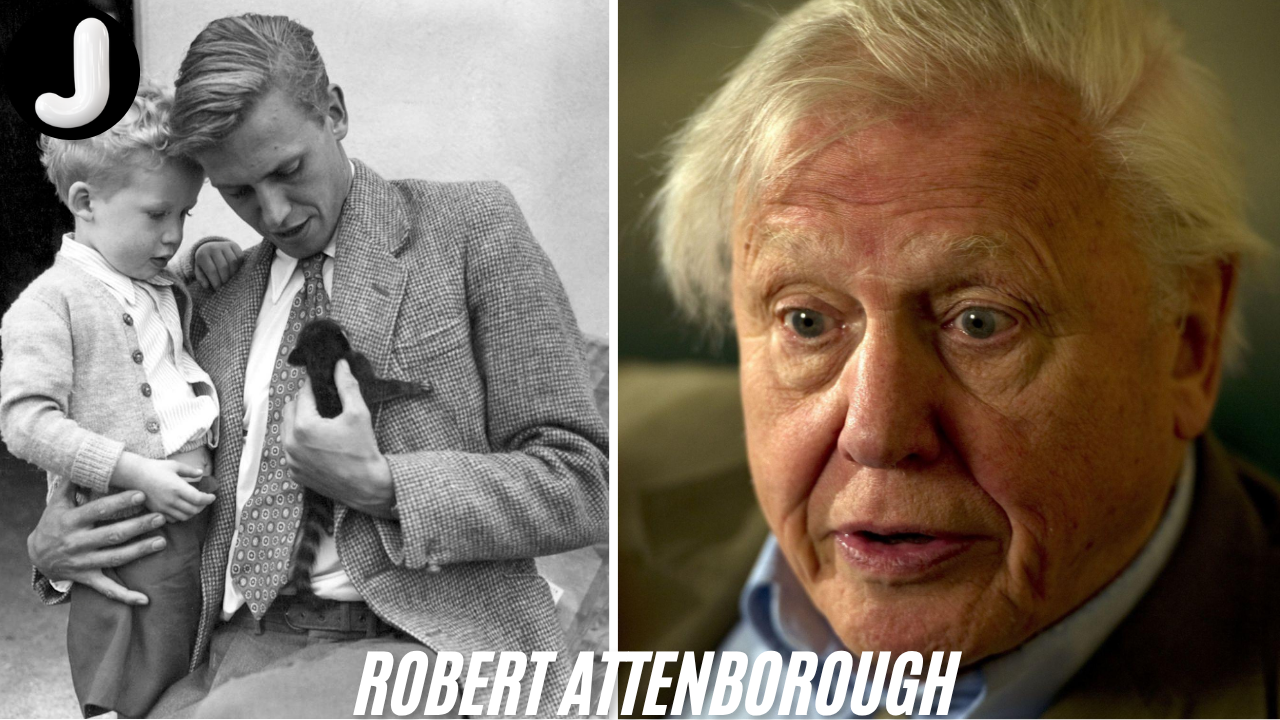
The Attenborough name is recognized across the world thanks to the remarkable contributions of Sir David Attenborough, one of the most respected broadcasters and natural historians in history. While much attention has been given to David Attenborough’s work in wildlife conservation and documentary filmmaking, many people are curious about his family, particularly his son, Robert Attenborough.
Unlike his famous father, Robert Attenborough has largely stayed away from the public spotlight. Rather than pursuing a career in television or media, he built a professional path in academia and research. His work has focused on anthropology, human evolution, and biological sciences, making him a respected figure within scholarly circles.
As interest in the Attenborough family continues to grow, many readers want to learn more about Robert Attenborough’s background, education, career, and relationship with his renowned father. This article explores what is known about his life and why he remains an interesting figure despite maintaining a relatively private profile.
Who Is Robert Attenborough?
Robert Attenborough is best known as the son of Sir David Attenborough. While his father became an internationally recognized television personality and environmental advocate, Robert chose a very different professional direction.
Over the years, Robert established himself as an academic specializing in biological anthropology. His work has focused on understanding human populations, evolution, genetics, and the interaction between biological and cultural factors in human development.
Although he does not attract the same media attention as his father, Robert Attenborough has earned respect within academic communities for his research and teaching contributions.
Early Life and Family Background
Robert Attenborough was born into one of Britain’s most respected intellectual families. He grew up in an environment where education, curiosity, and scientific inquiry were strongly encouraged.
His father, Sir David Attenborough, became famous through decades of groundbreaking wildlife documentaries. Through programs such as Life on Earth, The Blue Planet, and Planet Earth, David Attenborough inspired generations to appreciate and protect the natural world.
Robert’s mother, Jane Elizabeth Ebsworth Oriel, played an important role in maintaining a stable family life while David pursued his demanding broadcasting career. The family generally preferred privacy, and Robert spent much of his youth away from public attention.
Growing up in such an intellectually rich environment likely influenced his decision to pursue scientific and academic interests rather than entertainment or media.
Education and Academic Interests
From an early age, Robert Attenborough demonstrated a strong interest in science and human biology. His academic path eventually led him toward anthropology, a field that combines elements of biology, history, archaeology, and social sciences to better understand human beings.
Anthropology examines how humans evolved, how societies developed, and how biological and cultural factors shape populations over time. This area of study allowed Robert to combine scientific research with an interest in human history and development.
His educational background provided the foundation for a career dedicated to research, teaching, and scholarly publication.
Career in Biological Anthropology
Robert Attenborough became known for his work as a biological anthropologist. Biological anthropology focuses on the biological and evolutionary aspects of humanity, including genetics, adaptation, and population history.
Throughout his academic career, he studied how human populations evolve and adapt to different environments. His research often explored the connections between biology and culture, helping scholars better understand how humans developed across various regions and historical periods.
Unlike highly public-facing professions, academic anthropology often involves years of fieldwork, research projects, data analysis, and publication in scholarly journals. Robert dedicated much of his professional life to these activities.
His career reflects a commitment to scientific inquiry and evidence-based research rather than public recognition.
Research Contributions
One of Robert Attenborough’s primary research interests has been human population studies. Researchers in this field examine how groups of people migrated, adapted, and interacted throughout history.
His work has contributed to broader discussions about genetics, evolution, and cultural development. These studies help scientists understand not only where populations originated but also how environmental pressures influenced human adaptation.
Anthropologists often combine biological data with cultural information to build a more complete picture of human history. Robert’s research has reflected this interdisciplinary approach, linking biological science with social and cultural understanding.
This type of work is particularly important because it helps explain the complexity of human diversity and development.
Work Related to Papua New Guinea
A significant portion of Robert Attenborough’s academic interests has involved the study of populations in Papua New Guinea and surrounding regions.
Papua New Guinea is one of the most culturally and genetically diverse places on Earth. It offers researchers valuable opportunities to study human migration patterns, language development, adaptation, and population history.
Research conducted in this region has contributed significantly to modern understanding of how human populations evolved and spread throughout the Asia-Pacific area.
By focusing on such regions, Robert participated in efforts to uncover important details about humanity’s shared history and biological diversity.
Teaching and Mentorship
In addition to conducting research, Robert Attenborough spent part of his career teaching and mentoring students.
Teaching plays a crucial role in academic life. University educators not only conduct research but also help train future scientists, researchers, and scholars.
Students benefit from the experience and expertise of professors who have spent years working within their fields. Through lectures, supervision, and academic guidance, educators shape future generations of researchers.
Robert’s contributions as a teacher may not receive widespread media coverage, but they represent an important aspect of his professional legacy.
Living Outside the Public Spotlight
One of the most notable aspects of Robert Attenborough’s life is his preference for privacy.
Unlike many relatives of famous public figures, Robert has generally avoided media attention. He has rarely appeared in interviews and has maintained a low public profile throughout his career.
This decision has allowed him to focus on his academic work rather than celebrity culture. While many people become well-known because of family connections, Robert’s achievements are primarily linked to his own professional efforts and expertise.
His story serves as a reminder that meaningful contributions often occur outside public view.
Relationship with David Attenborough
The connection between Robert Attenborough and Sir David Attenborough naturally attracts public interest. However, their careers illustrate two different ways of pursuing knowledge and understanding.
David Attenborough dedicated his life to educating the public about wildlife, ecosystems, and environmental conservation through broadcasting. Robert focused on advancing scientific understanding through academic research and education.
Although their methods differed, both careers were rooted in curiosity, learning, and a desire to expand knowledge.
In many ways, Robert’s work complements the broader intellectual legacy associated with the Attenborough family.
Why People Search for Robert Attenborough
Interest in Robert Attenborough has grown as people seek information about the family behind one of the world’s most beloved broadcasters.
Readers are often curious about whether David Attenborough’s children followed similar career paths or became involved in environmental work. Discovering that Robert pursued anthropology instead of television provides an interesting perspective on how family members can develop unique identities while sharing similar intellectual values.
His academic accomplishments also demonstrate that success can take many forms, even within the same family.
Robert Attenborough’s Legacy
Although Robert Attenborough is not a household name, his contributions to anthropology and human population studies have value within the scientific community.
Researchers help expand collective knowledge through careful study, analysis, and publication. Their work often influences future discoveries and provides a foundation for ongoing scientific progress.
Robert’s career highlights the importance of academic scholarship and reminds us that many influential figures operate outside public recognition.
His dedication to research, teaching, and understanding human history represents a meaningful contribution to the field of anthropology.
Conclusion
Robert Attenborough may be best known as the son of Sir David Attenborough, but his life story extends far beyond that connection. Through years of academic work, research, and teaching, he established himself as a respected scholar in biological anthropology.
While his father became one of the most recognizable voices in natural history, Robert chose a quieter path focused on understanding humanity itself. His work examining population history, human evolution, and biological diversity reflects a lifelong commitment to science and education.
The contrast between father and son is fascinating. One brought the wonders of nature to television audiences around the globe, while the other explored human origins and development through scholarly research.
Together, they represent different expressions of the same enduring value: a deep curiosity about the world and our place within it.
Frequently Asked Questions
Who is Robert Attenborough?
Robert Attenborough is a biological anthropologist and academic researcher. He is also known as the son of renowned broadcaster and natural historian Sir David Attenborough.
What does Robert Attenborough do?
Robert Attenborough has worked in the field of biological anthropology, focusing on human populations, evolution, genetics, and related research areas.
Is Robert Attenborough related to David Attenborough?
Yes. Robert Attenborough is one of the children of Sir David Attenborough and Jane Elizabeth Ebsworth Oriel.
Did Robert Attenborough work in television?
No. Unlike his father, Robert pursued a career in academia and scientific research rather than broadcasting or documentary production.
What is Robert Attenborough known for?
He is known for his contributions to biological anthropology, particularly research involving human populations and evolutionary studies.
Why is Robert Attenborough not as famous as his father?
Robert chose a private academic career focused on research and education. As a result, his work has primarily been recognized within scholarly circles rather than by the general public.